Genomes are read. We make them functional.
Living human tissue in which a genome can be tested, built where the material, the data and the regulatory pathway already are.
The argument.
The region has invested at national scale in reading the genome. Sequence data on that scale is a genuine asset, and it is also only half of the picture.
A genome describes a possibility. It does not show what a cell will do under stress, how it will metabolise a compound, or which of two candidate therapies it will answer. Those questions need tissue, and the tissue has to be human.
That is the layer TAKWYN is built for. Not reading biology, forming it.
What we are built on.
Material
Governed access to preserved biological material, used under consent that is documented and auditable. Provenance is a scientific requirement before it is a compliance one: a result you cannot trace is a result you cannot defend.
Data
Genomic and clinical metadata held and processed in-country, kept with the biology it describes rather than in a separate system that has to be reconciled later.
Facility
An organoid suite designed for reproducibility rather than for demonstration: controlled conditions, QC at every stage and cryobanking at scale.
Pathway
A route from research-grade tissue toward GMP, planned from the start. Retrofitting quality systems onto an established process is far harder than building with them.
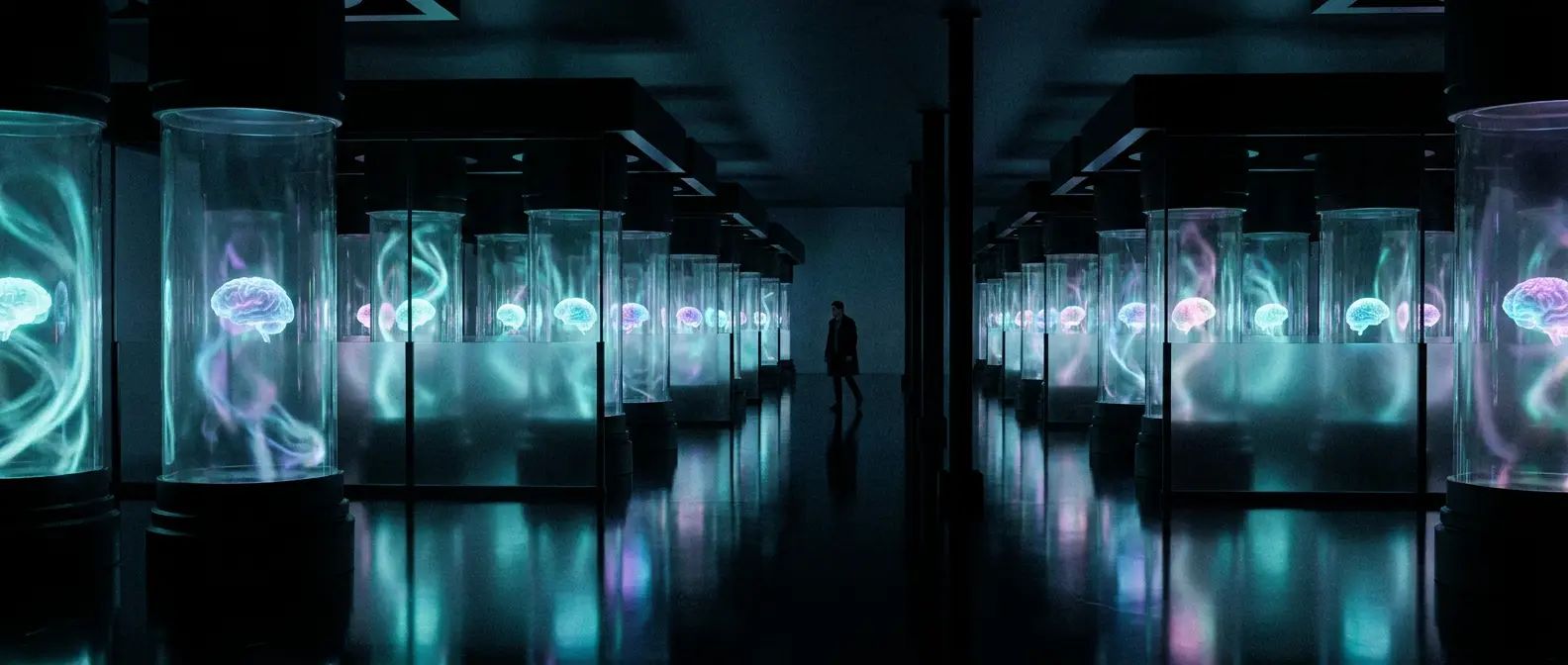
Built where the material, the data and the rules are.
Proximity is not a detail. Being close to the biological material, to the data and to the people who set the rules changes what is possible and how quickly. Material and data stay in-country, and the work is built to be governed here rather than adapted to it afterwards.